
You can find the previous post in this series here.
Back in 2008, Mark Driscoll, Mahaney, and the rest of the Reformed camp were at the peak of their popularity and influence. Jon and I were hopeful the Lord had a place for us to thrive while exercising our more behind-the-scenes gifts. As we searched for another Reformed church in our area, we had no idea the wilderness path the Lord was paving for us. Clueless to the fact that our SGM experience was no one-off, we blindly headed into what would be a long series of traumatic experiences within the Reformed church and beyond. (And thank goodness we didn’t know the future—otherwise, like Jonah, we would’ve taken the first detour out of it!)
From our vantage point now, we appreciate the Reformed movement’s emphasis on seeing redemption through God’s grace in the pages of Scripture, yet tremble at how theological and ecclesiastical hubris masked a dark emptiness in the hearts of so many. Though our years at Southern placed us inside a major hub of the Reformed movement, we stood outside the glitz and glamor of it. As people-helpers by nature and design, we preferred life in the trenches to life on the conference stage. We admired the charisma and eloquence of the men up front but had no desire to stand up there with them. We often found ourselves wondering where we—as those who gravitated towards support roles—fit within the Reformed movement and wider church which emphasized the public preaching of the word above all else. In 2006 Jon came home from his first and only Together for the Gospel (T4G) [1] conference saying “looking up at all those guys in their plush chairs felt a little too much like looking up at kings on their thrones, and we the people paid homage by listening to them talk to each other . . . There’s something dangerous about that. I know if it was me up there, I’d be feeling pretty good about myself—and that would not be a good thing!” Even back then, we felt the “kingdom” dynamics at work. Plush chairs on a large stage felt kingdom-of-self oriented rather than Christ-oriented. That experience and many others like it intensified our feeling of being ‘outside’ the inner circle of not only the Reformed movement but also the American church itself.
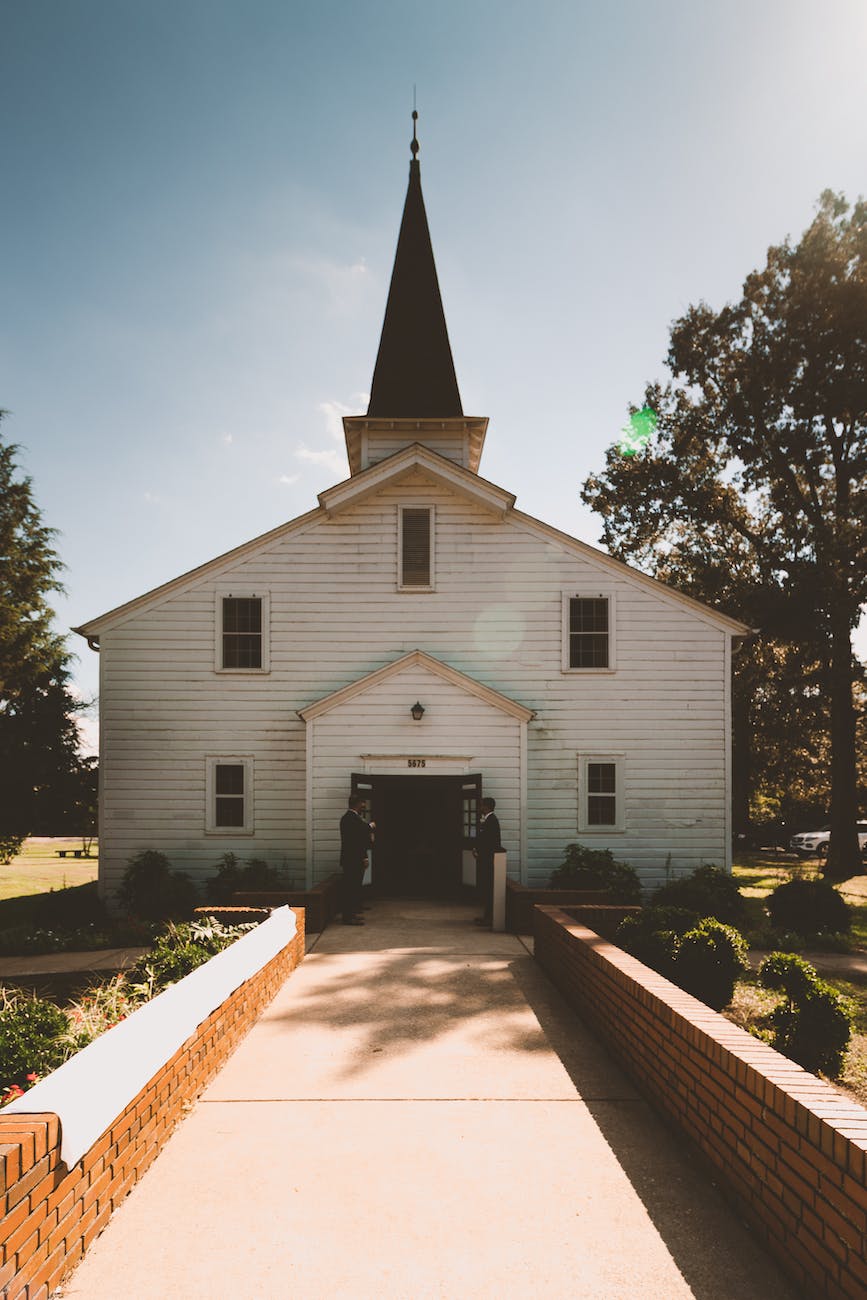
In late 2008, we left Sovereign Grace for a small, Reformed Baptist church down the street. The pastor was preaching on the one another’s of Scripture (love one another, encourage one another, admonish one another, etc.) and we thought this evidence of a heart for discipleship. We quickly became members and the pastor asked Jon to consider becoming an elder. Since we were young and new, my husband hesitated, worried about how the elderly in the congregation would receive his nomination and questioning whether he was ready for that type of leadership responsibility. Then our Sunday School teacher, a Masters’ Seminary grad and elder candidate, began making a steady stream of judgmental comments during Sunday School class such as “If you don’t make time to do my worksheets, you aren’t spiritual.” He followed his legalistic judgments with openly berating women in the class, one of whom was going through a painful divorce from an abusive husband. Concerned for the women, and seeking to understand where the teacher was coming from, Jon took him out to lunch. The teacher replied to Jon’s concerns with, “Jon, I am the messenger of God, if you have a problem with me, you have a problem with God.” This teacher then went so far as to label Jon a ‘left-wing feminist’ for standing up for women. Jon, un-nerved by how the teacher leveraged his authority by placing himself on par with God, and fearful of how this teacher might treat the flock if he was voted in as an elder, chose to share his concerns with the pastor. The pastor acknowledged this teacher had a “track record” of being “harsh,” that other church members had expressed concerns about how he treated his own wife, and that one visitor to the church had stormed out accusing this teacher of being “cruelly judgmental” and promising to “never darken the door of another church again!”
Yet the pastor wrote off these glaring character issues—harsh speech, judgmentalism, disrespect of women—as merely “a personality thing” and asked Jon, “Can you work with [this teacher] as a fellow elder if you both get voted in?” Jon replied, “I don’t think so because I don’t see how these character issues can be reduced to merely a personality thing.” Jon, unsettled with the pastor’s minimizing of the teacher’s behavior, thought it wise to remove himself as an elder candidate.
But when that teacher was voted in as an elder a couple months later, he came after my husband with a vengeance. Using his new position as elder, he forced meetings where he attacked Jon’s “slow” processing style and called him “divisive” for questioning his character. When Jon didn’t recant his assessments, the elder began shunning our family on a Sunday morning, slandering us to other church members, and reading imprecatory psalms from the pulpit with bulging eyes, flailing arms, and intense eye contact. The pastor and his wife turned a blind eye, shunned us too, and eventually openly sided with the elder against us. At the time I was pregnant with our third son, and the intensity of the elder’s attacks against our family triggered anxiety, vertigo, headaches, and a thyroid issue. Our four-year-old son, Micah, began refusing to attend his children’s Sunday School class and clung to my legs anytime we went to church. The nursery workers observed that our two-year-old, Josiah, began darting to the corner of the room when we dropped him off and gave anyone who came near him a wide-eyed death stare. Jon simply locked his emotions deep inside and threw away the key. Though we didn’t have categories back then, we were experiencing the emotional and physiological effects of church trauma and spiritual oppression at the hands of false shepherds. When Jon realized the pastor wouldn’t protect us from the elder’s attacks, we felt helpless and saw no way out other than to leave the church.
Once again, Jon and I and our two little boys found ourselves without a church to call home, only this time we carried the shame of having been forced out. Being attacked by the elder while the pastor condoned both his deeds and harsh manner, traumatized our entire family, including our children. In American culture, the word “trauma” has been overused and misused so much that a solid biblical definition is helpful.
At the core of traumatization is helplessness. Any event, series of events, or season of life can produce a sense of helplessness. When this occurs, we feel backed into a corner. We feel we’ve lost our sense of ‘dominion.’ Dominion is the word used to describe the gift God gave to Adam and Eve in the Garden of Eden. He commanded them to be fruitful, to multiply, and to have dominion over every living thing that moves on the earth. This is a high calling given to all humans. When we experience traumatization, we sense that our dominion is reduced, even taken away. Not by fault of our own, but because of sin trampling everything in its wake. [2]
In other words, when we experience helplessness—a loss of agency—in the face of evil, we are traumatized. When sheep are powerless to stop the relentless attacks, shunning, slander, and patterns of neglect at the hands of false shepherds, those sheep are traumatized. When others come alongside traumatized sheep to listen and care, they facilitate the process of healing. Bearing witness to the harm done helps the traumatized person regain their God-given voice and sense of agency which was cut off or squashed in the traumatizing event.
In the aftermath of our traumatic church experience, several elderly people from the church pursued us to listen to our story and validate our experience. We affectionately call these men and women The Old Guard because most of them raised their families under the previous pastor and watched in dismay as the new pastor dismantled their long-standing member-led committees in favor of an authoritarian elder board. One of those men, Brian, a deacon with a servant’s heart, called Jon up and said, “Hey, I heard that you are leaving our church. Can you tell me why?” He listened as Jon shared about his encounters with the Sunday School teacher and how the pastor not only dismissed his concerns, but treated Jon like he was the problem for even bringing them up. Brian not only believed Jon’s story but apologized for having seen the power and control issues with the teacher long before we did, but he chose to say nothing. As a deacon and long-time member, Brian felt he had not cared well for us, the sheep, and was willing to openly confess the harm his conflict-avoidant choice caused. Brian’s humility and kindness towards us was a healing balm. He later confronted the leadership with his growing concerns, but when he received force and harshness in return, he and his family left the church.
God also provided healing through another couple—Dave and Debbie. Dave, a seminary grad, worked in the secular arena for most of his life and served in several different churches as an elder and Sunday School teacher. His wife, Debbie, used her nursing background and love for mentorship to serve women. Back then, Dave and Debbie were concerned about how the finances of the church were being managed. They felt the pastor and some of the elders were not being honest about the distribution of funds—they’d gone to the elders with questions about several discrepancies in the numbers and not gotten straight answers. At the time they didn’t fully understand our own experience, but they affirmed our character and heart for the Lord. Debbie and Dave were an oasis of hope and grace in our suffering, and in time, they too left the church.
A few months after we left the church, a long-term member, Diego, called us up wanting to understand why we left. Diego, an affable, outgoing personality, cut to the chase with “Hey Jonathan, were you and Becca asked to leave our church? I’m asking because I was told by one of the new elders that you were asked to leave, and that did not make any sense to me because of who you are and the fact that you weren’t brought before the church for discipline.”
Jon then shared our story and sent Diego the official church letter stating we left the church “of our own accord.” Diego, armed with our letter and not afraid to ask hard questions, approached the elder board with the false accusation that we were asked to leave. The pastor then informed Diego that the Sunday School teacher-turned-elder had written a six-page document listing out our “sins.” Diego had never heard of such a letter (nor had we) and rebuked the elders for never giving us the opportunity to see or respond to our so-called “list of sins.” Diego then proceeded to defend us. The pastor’s only response: “Diego, are you going to believe your six elders or Jon and Becca?” Diego saw through this coercive power-play, walked out of that meeting, and left the church.
To this day we have never seen the six-page document listing our “sins,” and we are forever thankful for Diego’s courage to call the abuse of authority and position what it was—Evil.
Reflection
- Where in your story of church trauma can you identify the feelings of helplessness, powerlessness, or being trapped? Did you connect those feelings to the experience of trauma? Is the biblical connection between trauma and our human calling to have “dominion” helpful to you? Why or why not?
- Why is calling evil, Evil (rather than rationalizing or minimizing it) hard for human beings? Why is calling evil, Evil, even harder when coming from spiritual leaders?
You can find other posts in this series here.
[1] Together for the Gospel Conference. T4G was a conference for pastors and church leaders that ran from 2006-2022. John Piper, Al Mohler, CJ Mahaney, John MacArthur, and other reformed pastors spear-headed the creation and perpetuation of the conference.
[2] Broom, Beth. “What Makes an Even Traumatizing.” Christian Trauma Healing Network. September 15, 2021.
https://christiantraumahealingnetwork.org/2021/09/what-makes-an-event-traumatizing/

 Pursued