
*You can read the previous post in this series here.
City Church: Suppressing Wrongs, Forsaking Justice
Jon and I hoped and prayed the leadership of City Church would also choose a path of repentance and renewal. We thought it wise to allow the assistant pastor time to transition into his new position as lead pastor before making an appeal that he and the elders re-evaluate the wrongful excommunication.
During this waiting period, one of the elders of the church, a seminary professor with his PhD, reached out to my husband to schedule a get-to-know-you lunch. This was the first personal lunch invite extended by anyone in the congregation. Jon met the elder for what he thought was a casual lunch and was surprised when the elder abruptly turned the conversation to, “So I hear you’ve been investigating the excommunication.” Jon, having been blindsided by leadership before, simply rolled with the question saying, “Yes, we have a great deal of documentation regarding the excommunication and have spoken to others who were harmed by the former senior pastor.”
This elder admitted that the other two elders who investigated the accusations of abuse against the senior pastor were “incompetent and ill-equipped” to the task. He then followed his admittance with the outlandish assertion that “If the senior pastor was in charge of the excommunication it would have gone much better.” In other words, this elder believed that if the pastor accused of being abusive handled the excommunication of the truth-tellers it would have gone more smoothly. Jon was bewildered by the rationale behind that statement–the person accused of abuse, because he was the PASTOR, had sole authority to judge himself as innocent and those who brought accusations of abuse against him as guilty of “slander.” Our whole justice system is built around removing this type of conflict of interest for the sake of upholding the truth and doing justice. Yet we tolerate this self-protective conflict of interest in our church leadership?
Jon then made the point that if, per the elder’s own words, the leadership was ill-equipped to handle accusations of abuse, didn’t they have a moral and ethical obligation to seek truth and justice? Not only that, the wider congregation was still suffering the after-shocks of their failure to handle the situation with integrity. Didn’t he care about the wounded in his congregation?
The elder countered with a long rant defending himself, his position as an elder, and the elders’ collective judgment of the situation. He ended his rant with “I used to be a pastor and have experience with counseling too, you know. Besides, doesn’t time heal all wounds?”
In other words, this elder, unlike the leadership at Redemption Church, chose a posture of defensiveness, deflection, and asserting his own intelligence and discernment as superior to Jon’s. He expressed zero concern for the actual truth of the situation or empathy for the wounded souls in his congregation. That did not bode well for the future. Also, Jon had been clear with the assistant pastor regarding confidentiality on our end as we investigated the excommunication and helped the wounded. The pastor led us to believe he would also keep the matter confidential, at least for the time being. Clearly that was not the case.
The next week at church, we sensed another level of coolness and avoidance from the leadership. Having been through these situations many times, we suspected the elders were preemptively closing ranks against any appeal to re-evaluate the excommunication.
Soon after the pastor officially took the lead pastor position, Jon reached out and asked him directly if he’d told the entire elder board that we were helping those wounded by the excommunication. The pastor responded, “I don’t remember if I did.” This slippery response fit his pattern of playing more politician than pastor. He then went on to say that he and the elders didn’t see anything wrong with how they handled the excommunication, and if we wanted to become members and submit to their leadership, then we could appeal to them to revisit their decision. Since the pastor already stated they had “no concern” regarding the excommunication, we knew they would shoot down our appeal and then force us to “agree and submit.” We could not in good conscience submit to a refusal to address oppression and abuse. Having sat through the Sunday School class on excommunication, we knew exactly what happened to congregants who disagreed with the leadership and “refused to submit” to their final word and judgment—they got kicked out of the church via excommunication.
Saddened by the leadership’s choice to self-protectively sweep accusations of abuse and wrongful excommunication under the rug, we shook the dust off our feet in protest and chose to make our home at Redemption Church.
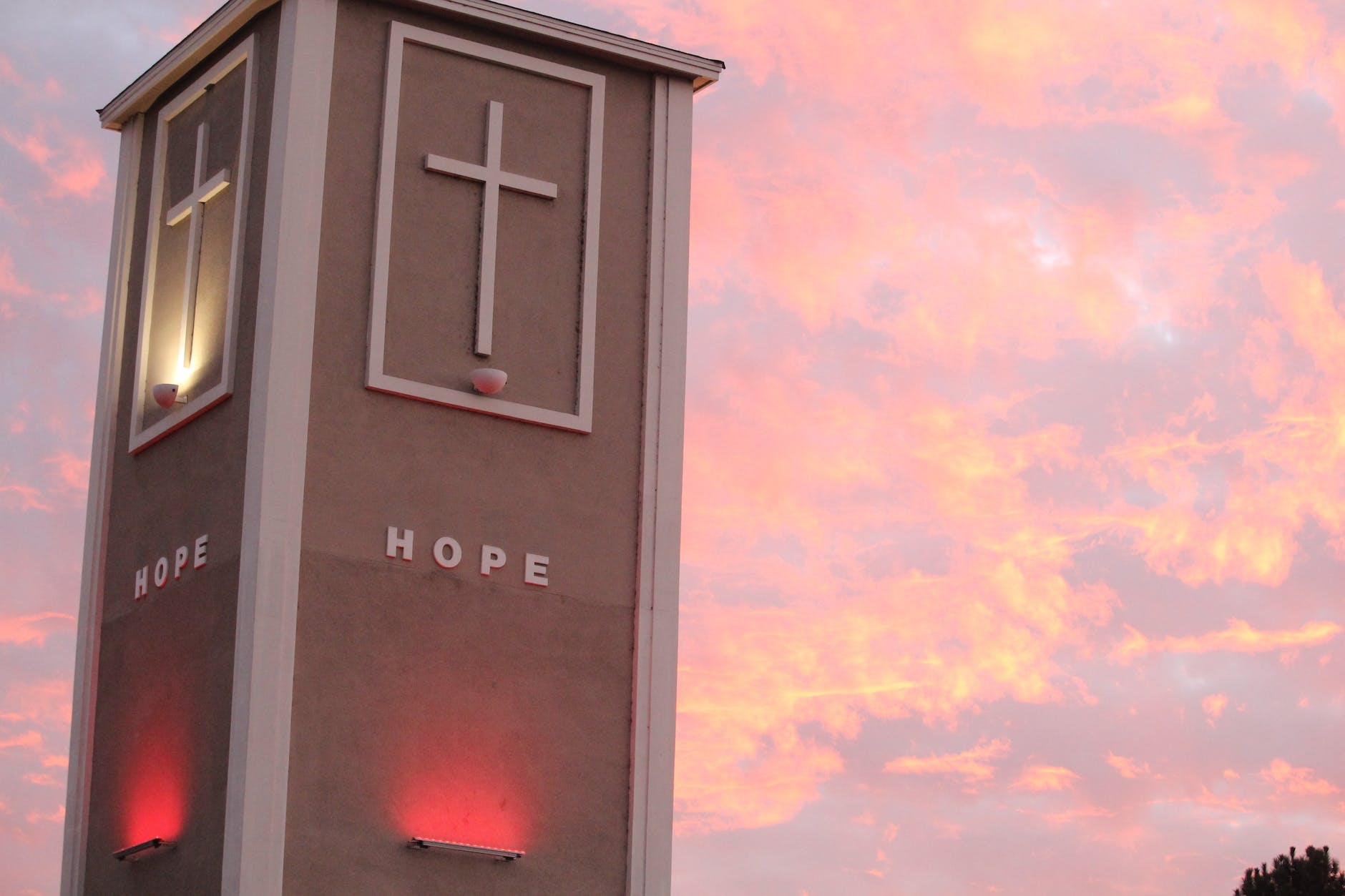
Hope for the Future
After fifteen years of sojourning through the underbelly of the American Church, Jesus brought us to a church home with leadership seeking to become a place that cares well for the abused, the vulnerable, and the weak. Redemption Church has a long way to go, and the senior pastor speaks often about how truly loving others like Christ is “messy and hard.” But serving under leaders who lead by taking the log out of their own eyes before addressing the specks in the eyes of their congregants, gives Jon and I hope for the future. We are thankful for leadership that invites accountability and humbly receives wisdom from their congregation, creating a safe place for sheep to thrive. We are thankful for leadership that equips and encourages the sheep to exercise their unique gifts, creating a diversity of gifting for the benefit of the whole. We are most thankful for leadership that seeks to grow in the likeness of our Good Shepherd who laid down his life for the sheep that they might truly live.
Reflection
*As you consider your own story of church trauma, how was conflict handled by the leadership?
*Throughout the conflict, was truth and the execution of justice the aim? If so, how was the pursuit of truth seen in the actions and words of the leadership?
*If the pursuit of truth and justice was not the clear aim, how did the leadership seek to protect themselves, their positions, their reputations, pocketbooks, and/or the church entity?
*How have you been personally affected by the miscarriage of justice–emotionally, mentally, spiritually? How might Christ’s promise to execute justice against the false shepherds (Ez. 34:16) give you hope?
*You can read other posts in this series here.


 Pursued