Visualize
Vulnerable: Capable of being easily hurt or harmed, physically, mentally, emotionally. Open to attack, harm, or damage.[1]
“My servant grew up in the Lord’s presence like a tender green shoot, like a root in the dry ground.”—Isaiah 53:2a
Read
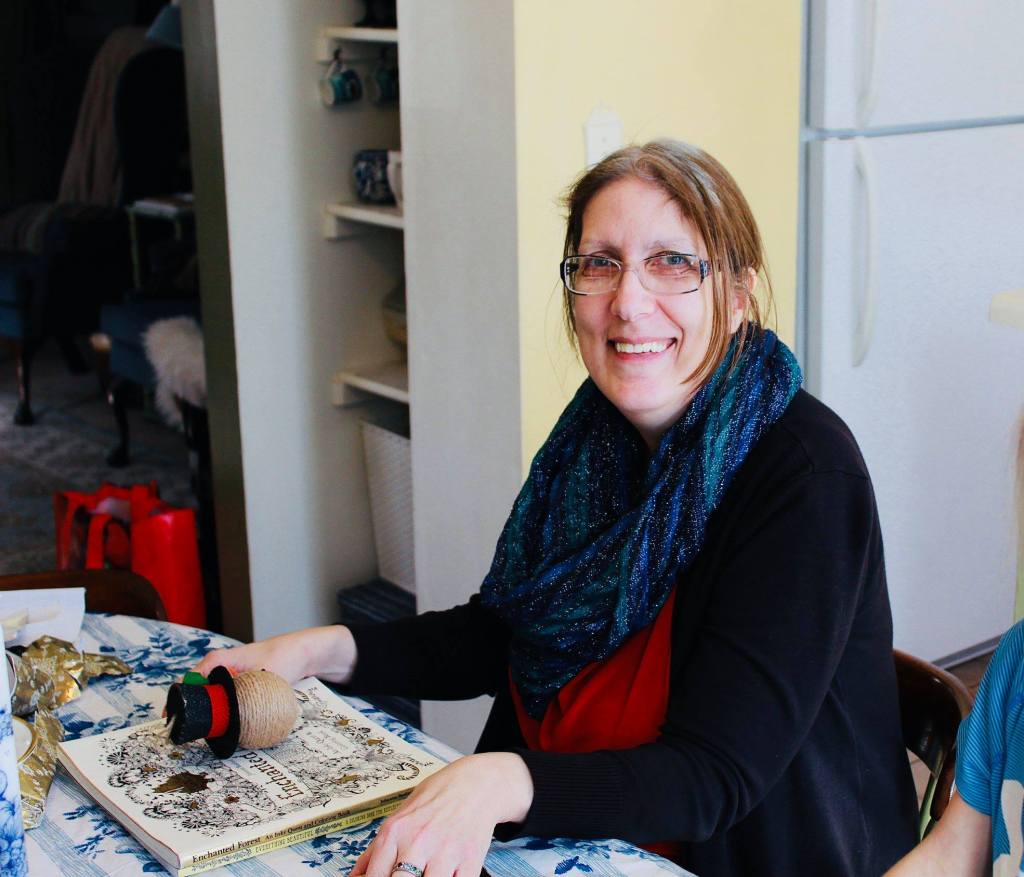
My husband and I met Janet[2] in a small, inner-city church in Minneapolis twenty-five years ago. A single mom with a son in tow, Janet lived in a high-rise, government-owned apartment building and road the city bus to church each week. Diagnosed with borderline mental functioning, Janet worked at McDonalds filling cups with soda for eight hours a day. She loved her job and talked about her disability with a nonchalance on par with the daily weather report. My husband took Janet’s son to play basketball and hang out each weekend, and when we moved away for grad school, Janet sent us Christmas cards every year and stitched quilts for the birth of each of our kids.
After the birth of our youngest, Janet moved from Minneapolis to Witchita, only three hours from us, to live with her adult son, wife, and their three kids. Soon after the move, Janet began calling me, and I listened as she chattered about her new job as a government-funded caretaker for her grandkids. She slowly began calling me more often, once from a hotel room, saying, “I need time to think,” and seemed increasingly scattered and confused. She’d turned over her finances to her daughter-in-law, who kept promising government pay checks that never came, and gave her son access to her credit cards. As her emotional dysregulation escalated, I began doing some research and discovered her daughter-in-law had a felony, Janet was not being paid as a government-funded caretaker, and she was being exploited for free babysitting and her good credit score. Janet’s disability made it difficult for her to make sense of it all, but her God-given intuition told her something was really wrong.
I called the local hotline and reported abuse of a vulnerable adult. The social worker who followed up with me spent endless hours on the phone guiding me in making a safe plan for Janet to escape her living situation. Janet agreed to move into our little town home in Southdale until we could reinstate her government assistance and find her viable housing.
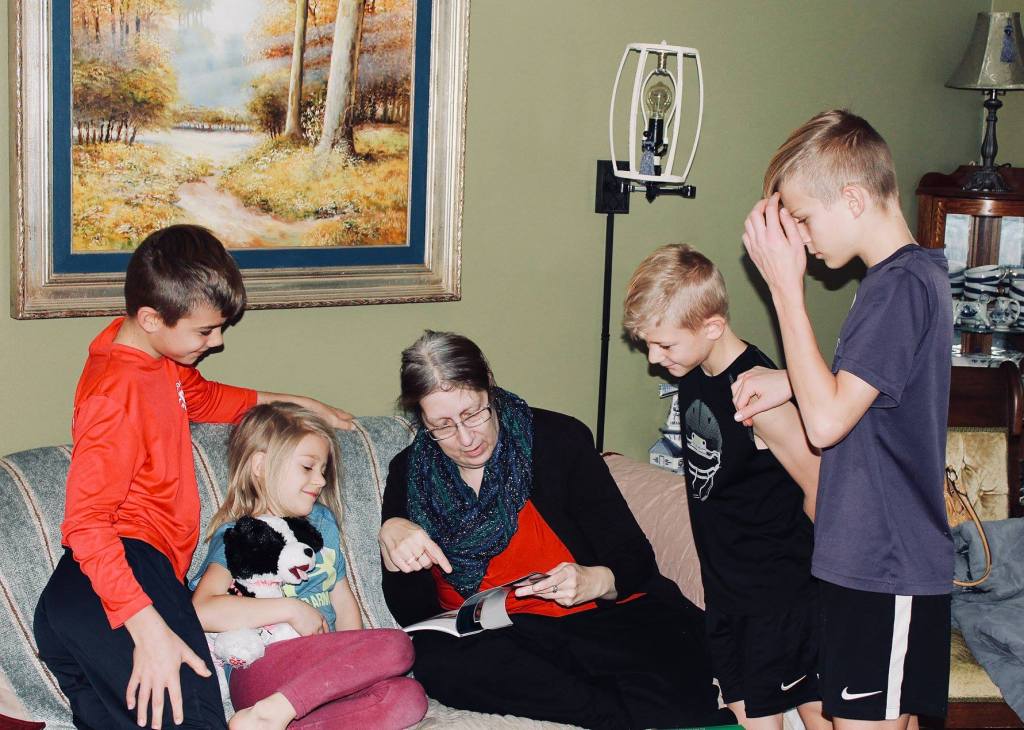
The day Janet moved into the basement of our town home our oldest son bawled his eyes out since he didn’t know her and wasn’t sure he liked his safe space being invaded by a stranger. Our daughter and two younger boys thought Janet’s love for all things Disney was strangely awesome, and they spent hours cuddled up next to her on the green futon in our basement watching Disney movies on her portable DVD player. As I learned to navigate various social programs and stood in long lines in government offices, Janet set a simple wooden plaque on the bookshelf behind her futon: “Have I not commanded you be strong and courageous? Do not be afraid. Do not be discouraged, for the Lord your God is with you wherever you go.”[3] Her faith was simple, her outrage short lived, and she trusted me without question. Janet’s child-like nature made her vulnerable to the wickedness of others. Yet she owned her weakness without shame, asking for help in her time of need. Janet’s acceptance of her human limitations was a gift that helped me see what Jesus meant by “Truly I tell you, unless you change and become like little children, you will never enter the kingdom of heaven. Therefore, whoever takes the lowly position of this child is the greatest in the kingdom of heaven.” [4]
That Jesus chose to descend to earth in the most vulnerable form—a human baby—speaks to his trust in his Father’s protection and goodness. Babies are utterly dependent on human caregivers for survival. They have no choice but to trust their parents’ provision as they grow and gain independence. Jesus grew up like a “tender shoot,” vulnerable to the storms of circumstance. He experienced the cognitive, physical, and emotional limitations of every stage of human development. Not only that, he grew in “dry ground,” with few resources, little education, and no connections—yet he flourished. Jesus chose total dependance on his Father as he lived the realities of human vulnerability—hunger, loss, and weakness. He showed us the only way to flourish in this uncertain, broken world where exploitation and abuse exist is to trust and obey our Good Father who “feels pity for the weak and the needy, and . . .will rescue them. He will redeem them from oppression and violence, for their lives are precious to him”[5]
Ponder
What vulnerabilities might you be tempted to hide and how might they be a gift to yourself and others?
Pray
Inhale: Jesus trusted his father . . . .
Exhale: That I might trust Him too. . . .
*The rest of this post series can be found here.
[1] Merriam-Webster.com
[2] Name and some identifiers have been changed to protect the individual. Photos shared with permission.
[3] Joshua 1:9
[4] Matthew 18: 3-4. NIV. Biblegateway.com
[5] Psalms 72:12-14, NIV. Biblegateway.com


 Pursued